Why Privacy Means Something Different For Every Generation
Privacy has always existed, but what it protects has changed. In many countries, the right to digital privacy is now considered an extension of the original right to privacy. Courts, regulators, and advocacy groups increasingly treat personal data as deserving the same protection as physical space.
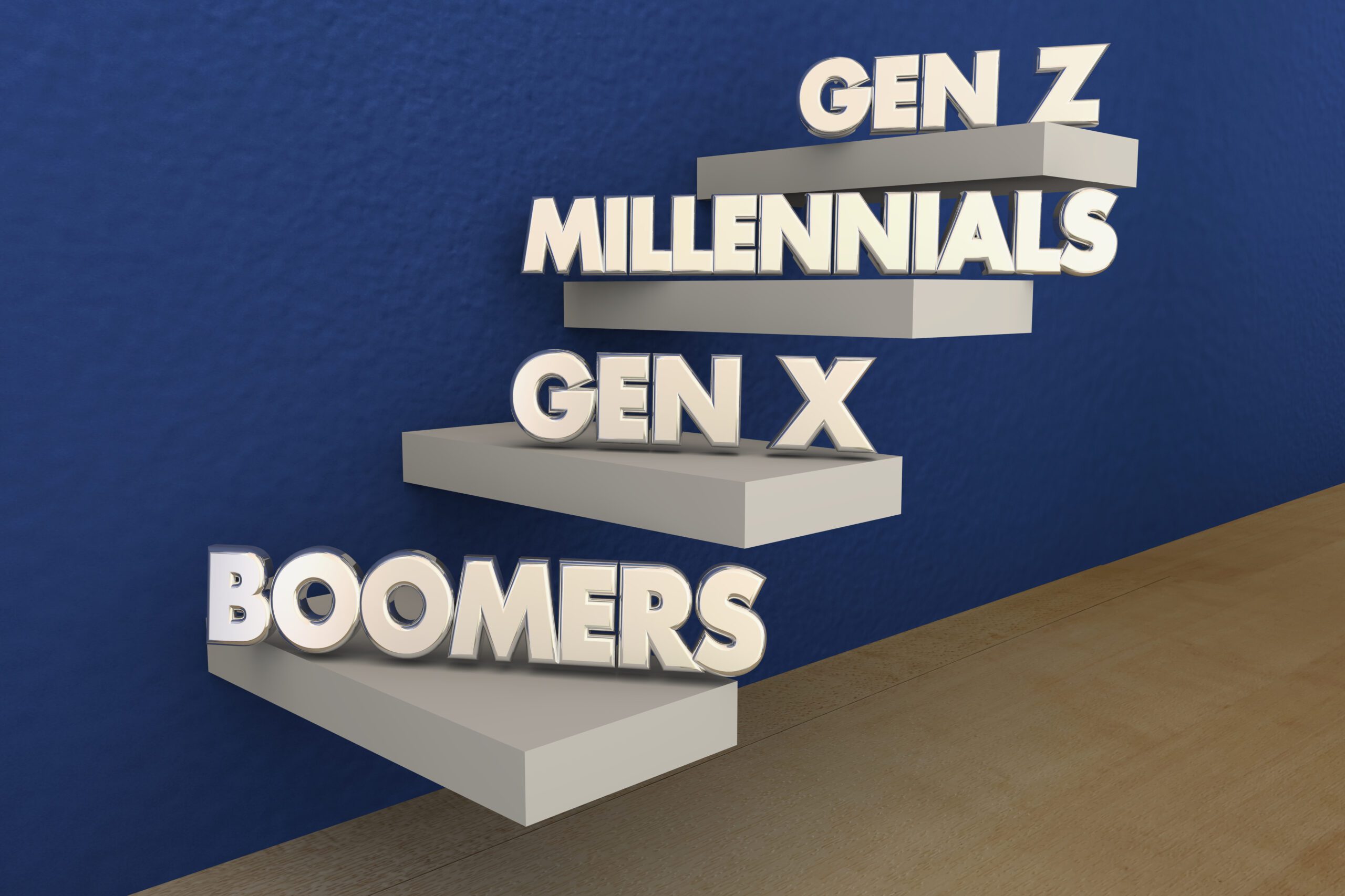
That shift did not happen evenly across generations.
Older generations grew up when privacy meant control over physical access. Meanwhile, younger generations came of age within systems that constantly collect, analyze, and share personal data across online services. As a result, privacy stopped being assumed and became negotiated.
Today, privacy lives at the intersection of law, technology, and behavior. Each generation, however, arrived at that intersection from a different direction.
How Privacy Worked Before Digital Tracking Became Normal
For much of modern history, privacy meant limited visibility.
People controlled private data by limiting who could physically access it. Diaries stayed locked. Bank account information lived inside local institutions. Government authorities could not easily monitor movement or communication without direct effort.
That expectation shaped how Baby Boomers and early Generation X understand privacy today. They assume that personal data should not be collected unless clearly required. Moreover, they expect explicit consent before anyone processes personal data or transfers personal data to other parties.
This expectation still shows up in law. In the United States, the Supreme Court has repeatedly affirmed that digital privacy deserves constitutional protection. For example, in Riley v. California, the Court ruled that searching a citizen’s phone without a warrant is an unreasonable search. Similarly, in Carpenter v. United States, it ruled that warrantless access to cell phone location records violated the Fourth Amendment.
Those rulings reflect an older privacy assumption: personal data reveals intimate details of a person’s life and therefore requires protection.
When Personal Data Became Infrastructure
That assumption collided with the internet.
As online services expanded, companies began to collect information automatically. Search engines started logging search queries. Operating systems captured device information and usage data. Social media platforms encouraged users to provide personal data in exchange for visibility and connection.
Over time, personal data collected stopped being incidental. Instead, it became core infrastructure.
Today, most digital services routinely:
- collect personal data and usage data;
- process personal data through automated systems;
- analyze data for business intelligence;
- share personal data with service providers and third-party partners;
- disclose personal data to government authorities under legal obligations.
This shift explains why privacy feels different depending on when you first encountered the internet.
Why Older Generations Expect Consent and Restraint
For older generations, privacy violations feel structural, not personal.
They worry about warrantless tracking, background data collection, and the quiet growth of surveillance in workplaces and public spaces. Roughly 70 percent of employers now use digital tools to track employee activity, reinforcing the sense that monitoring has become systemic.
This group tends to resist interest-based advertising, biometric data collection, and location data tracking. Also, they expect a data controller to clearly explain why such personal data is collected and how long it will be retained.
They trust legal boundaries more than technical ones. Court rulings, privacy laws, and constitutional protections feel tangible, whereas default data collection does not.
How Millennials Learned to Manage Exposure
Millennials learned privacy the hard way.
They joined social media platforms before data protection rights were widely discussed. They watched data breaches expose millions of users. They saw data brokers build profiles that followed them across third-party sites.
Consequently, privacy became something to manage rather than something to assume.
Millennials regularly adjust privacy settings, limit marketing communications, and request access to account information. Many understand how advertising services rely on automated processing and interest-based advertising.
They are also the generation most likely to accept tradeoffs. While they allow data collection in exchange for convenience, they expect transparency, encryption, and reasonable limits.
Why Gen Z Treats Privacy as Strategy, Not Secrecy
Gen Z never expected privacy to be automatic.
They assume automated systems process information constantly. What concerns them is misuse. They know that every online action generates data that can be used for targeted advertising or sold to data brokers.
Because of that, Gen Z protects certain personal data aggressively. Payment information, biometric data, sexual orientation, and location data receive more caution than public posts.
They are also more aware of privacy law. Concepts like the General Data Protection Regulation, the right to be forgotten, and data subject rights are familiar. Many understand that users in the European Union and European Economic Area can request deletion, correction, or restriction of personal data processed.
Privacy, for Gen Z, is control layered atop exposure.
Why Law Has Not Unified Privacy Expectations
Many countries have passed laws to protect digital privacy from public and private entities. The GDPR is the most visible example, designed to reduce misuse of personal data and impose obligations on data controllers.
Still, privacy regulation remains fragmented.
Most laws protect specific demographics, regions, or industries. Others balance individual rights against public interest or national security. As a result, expectations vary even within the same legal framework.
Companies also operate globally. Data collected in one country may be processed or stored in data centers elsewhere, under different regulations. That reality reinforces generational differences in trust and comfort.
The Role of Technology Companies in Shaping Privacy Norms
Technology platforms influence privacy expectations more than most laws.
Companies like Google collect information to provide services, including language preferences, search queries, location data, and device information. Microsoft collects usage data to improve its operating systems. Stripe collects payment information to facilitate online transactions. Salesforce processes personal data in connection with business operations.
All rely on cookies and similar technologies. Many share data with third parties for advertising services or service improvement.
Younger users tend to see this as normal, while older users see it as invasive. Neither view is wrong. They reflect different starting points.
Practical Privacy Behaviors That Transcend Generations
Despite differences, effective privacy practices cut across age groups.
Regularly reviewing privacy settings on social media platforms helps limit third-party data sharing. Deleting unused apps reduces background data collection. Using multi-factor authentication and strong passwords protects account access.
Encryption, VPNs, anonymous search engines, and private browsing modes add layers of protection. Auditing app permissions limits access to location data, contacts, and device information.
These practices matter because data breaches continue to rise. In 2025, U.S. data breaches reached record costs, averaging over $10 million per incident.
Why Privacy Is Now a Collective Value
Privacy is no longer only about individual preference.
Philosophers such as John Locke argued that personal liberty requires protection against intrusion. Modern privacy advocacy groups extend that argument to digital life. They warn that constant surveillance affects behavior, autonomy, and democratic participation.
Mass surveillance disclosures, including those revealed by Edward Snowden, pushed privacy into public debate. Today, privacy is increasingly treated as a human right tied to dignity, expression, and freedom from misuse.
That is why generational differences matter. Each generation responds to the same system with different instincts.
A More Accurate Way to Think About Privacy Today
Privacy is no longer a wall. It is a set of decisions made inside complex systems.
Some people protect solitude. Others protect identity. Others protect opportunity. All are responding rationally to the environment they inherited.
Understanding those differences does not weaken privacy. It strengthens it.
In a world of automated processing, global data flows, and constant collection, privacy will continue to evolve. The challenge is not choosing one definition, but learning how each generation learned its own — and how to protect what matters going forward.